About Stoicism
The Philosophy of the Examined Life
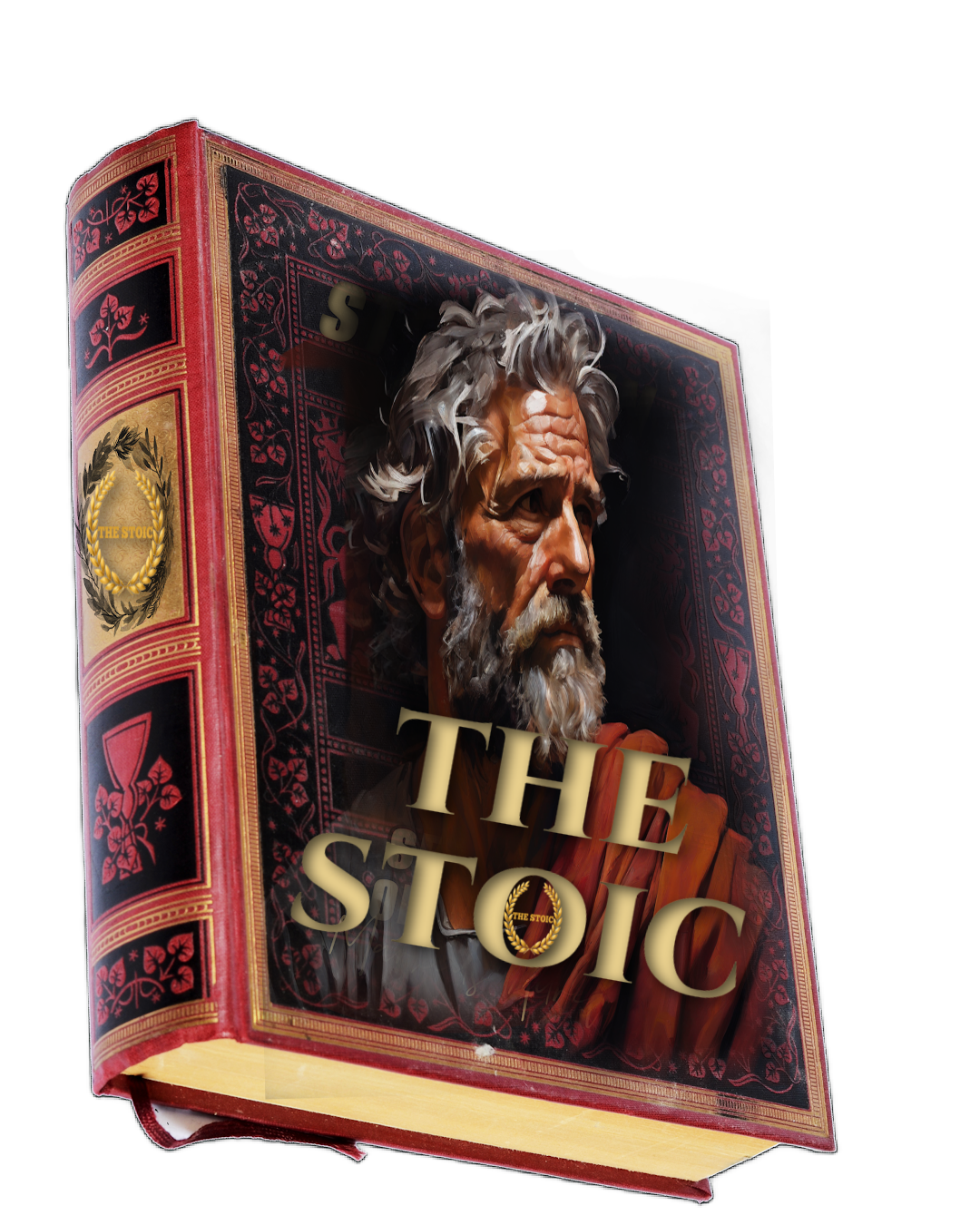
Stoicism is not a mood or a posture. It is a complete practical philosophy — a daily training of the mind toward reason, virtue, and inner freedom.
What Is Stoicism?
Stoicism is a school of philosophy founded in Athens around 300 BCE by Zeno of Citium. It was refined over centuries by thinkers as different as Epictetus — a former slave — and Marcus Aurelius — a Roman emperor. What united them was a single conviction: that the quality of a human life depends not on what happens to us, but on how we respond.
The Stoics divided the world into two categories: what is 'up to us' (our judgments, desires, and actions) and what is 'not up to us' (everything else — health, wealth, reputation, other people's behavior). Suffering, they argued, arises from confusing the two. Wisdom is learning to hold the second category lightly while taking full responsibility for the first.
This is not a philosophy of cold detachment. The Stoics were deeply engaged with the world — as soldiers, teachers, statesmen, and parents. Their practice was not withdrawal but presence: showing up fully, acting with integrity, and meeting whatever comes with a steady mind.
Six Pillars of Stoic Practice
I
The Dichotomy of Control
The foundational Stoic insight: some things are up to us, and some are not. Suffering arises from forgetting the difference. Freedom begins when we remember it.
II
Virtue as the Highest Good
The Stoics held that virtue — wisdom, courage, justice, temperance — is the only true good. Everything else is 'preferred indifferent': worth pursuing, but not worth losing your peace over.
III
Living According to Nature
To live according to nature is to live according to reason — the faculty that distinguishes human beings and connects us to the rational order of the cosmos.
IV
Memento Mori
The Stoic practice of remembering death — not morbidly, but as a clarifying lens. When we hold our mortality honestly, trivial anxieties fall away and what truly matters comes into focus.
V
Amor Fati
Love of fate. Not merely accepting what happens, but embracing it — finding in every circumstance, however difficult, the raw material for growth, character, and a well-lived life.
VI
The Daily Practice
Stoicism was never meant to be studied from a distance. It was meant to be practiced — in the morning reflection, the evening review, the pause before reacting. One day at a time.
"You have power over your mind —
not outside events.
Realise this, and you will find strength."
Marcus Aurelius — Meditations
Common Questions
Begin the Daily Practice
One teaching each morning — drawn from the Stoics, the classical tradition, and the contemplative path. Plain language. No prior knowledge needed.
Start with Lesson 1